Key takeaways
- Closed Mondays. Open Tue–Sun 10:30–19:00, Thursday until 22:00 — see the day-by-day hours.
- Allow 2–3 hours for the plateau des collections, not the 45 minutes quoted for guided groups — how long to plan.
- Roughly 3,500 works from a 370,000-object collection are on show, in one gallery running Oceania to Asia to Africa to the Americas — what to see.
- Free entry for under-18s, EU residents aged 18–25 and everyone on the first Sunday of the month — check before you book.
- About 300 m from the Eiffel Tower; nearest métro Alma-Marceau or RER C Pont de l’Alma — getting there.
- The admission ticket includes the 2026 exhibitions, though some need a free timed reservation — this year’s shows.
What the skip-the-line admission ticket includes
The plain admission ticket (GetYourGuide id 103469) is the one most readers want. Here is what it does and does not cover.
What you get
- Entry through the “access with ticket” entrance, past the ticket-desk queue
- The permanent collection: about 3,500 works from Africa, Asia, Oceania and the Americas
- The temporary exhibitions on the mezzanines and in the garden-level gallery
- Validity for one day, so you can step out to the garden and come back
- Free cancellation up to 24 hours before; reserve now, pay later available
Worth knowing
- Not included: a guided tour, and no meals at Les Ombres or Café Jacques
- Security check at the door; only small backpacks, no suitcases or bulky objects
- Some exhibitions need a free timed reservation on top of the ticket
- Under-18s and EU residents aged 18–25 get in free with ID — do not buy this ticket if that is you
- Bring the voucher on your phone and know the entrance name; one reviewer lost an hour when her confirmation format was not accepted at first
What you see, in order
The visit follows the building. Here is the sequence, stop by stop.
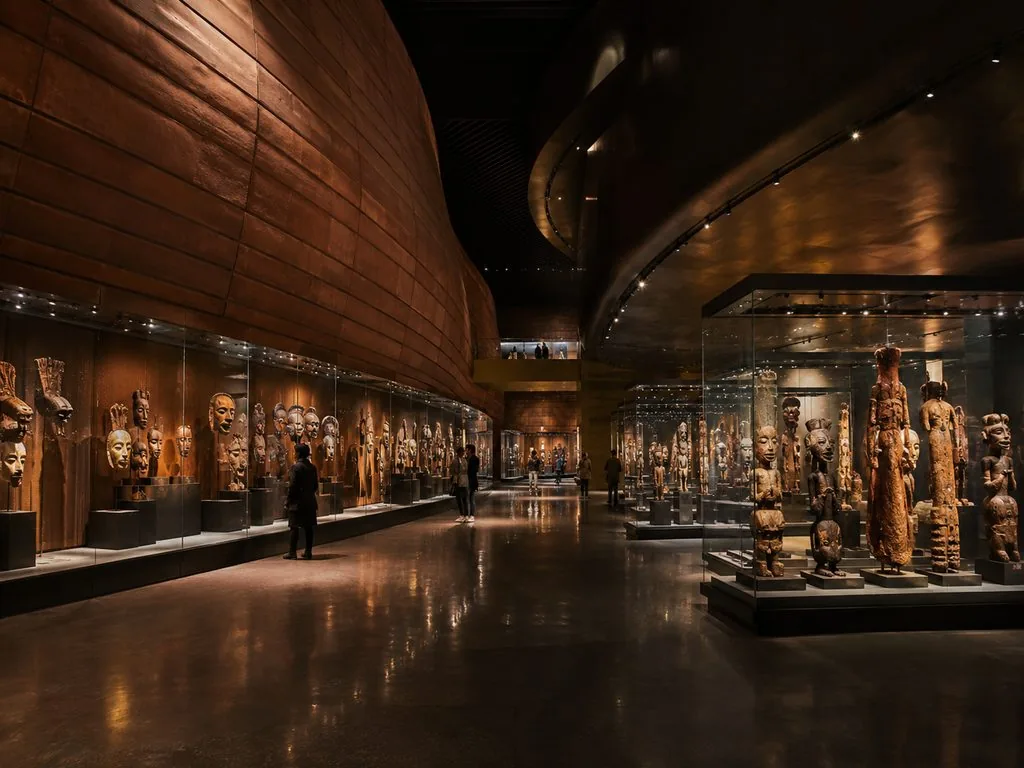
You enter through Gilles Clément’s garden, pass security and the ticket entrance, climb Jean Nouvel’s ramp to the plateau des collections and walk one continuous gallery through four continents before the mezzanines and the café.
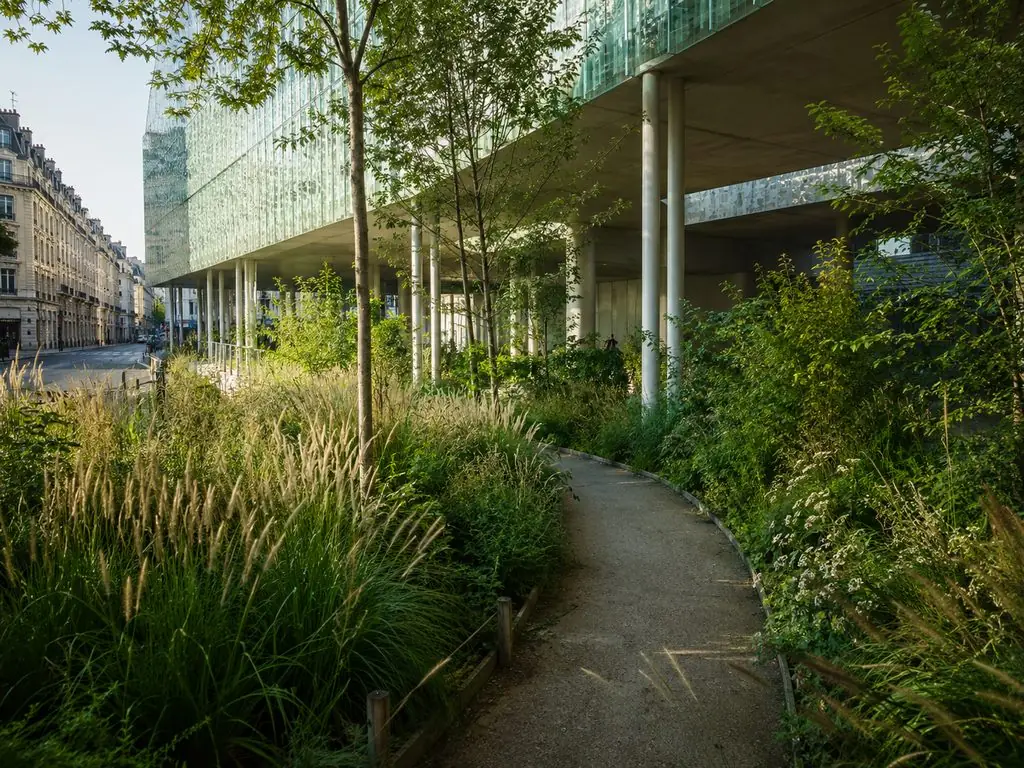
- The garden path — An 18,000 m² thicket of grasses, reeds and trees between the quay and the entrance; it opens from 9:15, before the museum.
- Security and the ticket entrance — Bag check at the door, then the “access with ticket” lane for e-ticket holders.
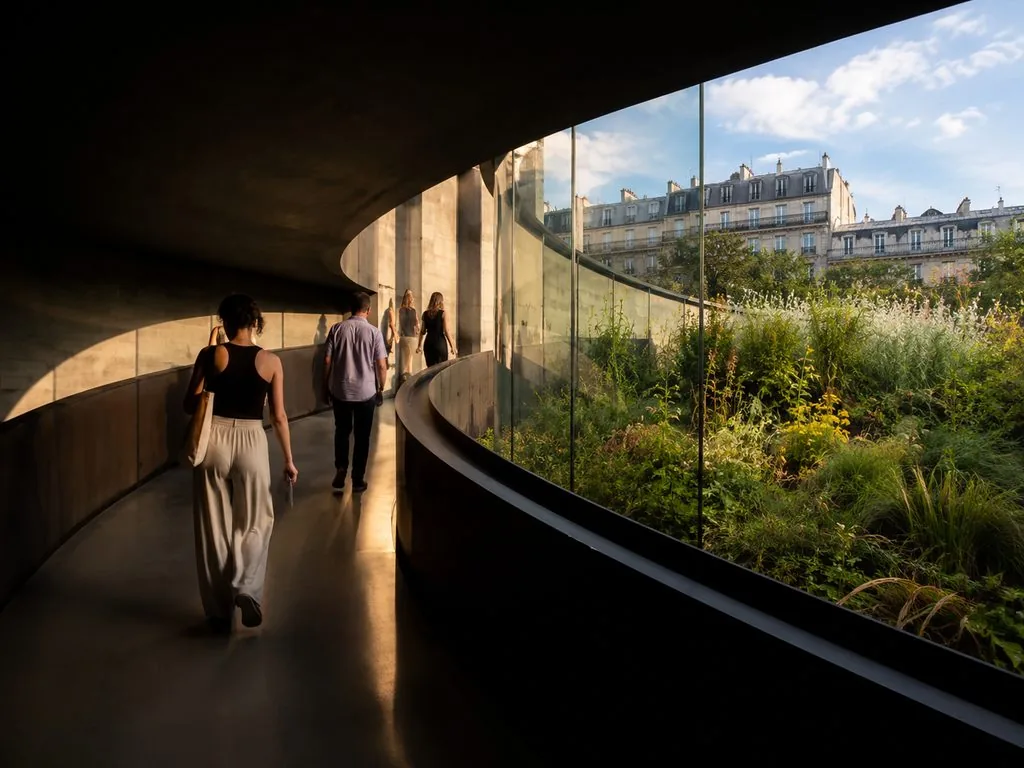
- The ramp — A long curved slope with a projected “river” of words along the floor; it divides opinion, and it is the only way up.
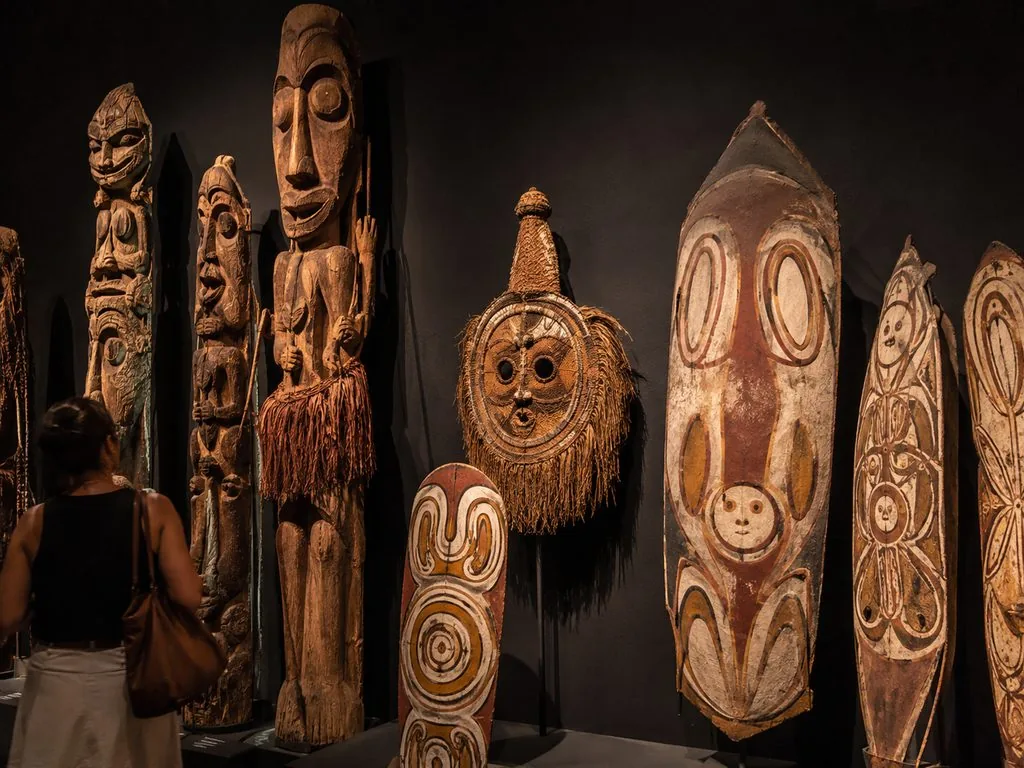
- Oceania — Papuan ancestor poles, Rapa Nui figures, Torres Strait headdresses, Aboriginal bark and dot paintings and a Māori meeting-house element.
- Asia — Japanese Noh masks, Ainu objects, Tibetan thangkas, Vietnamese ceremonial bronzes, Indonesian shadow puppets and Dayak textiles.
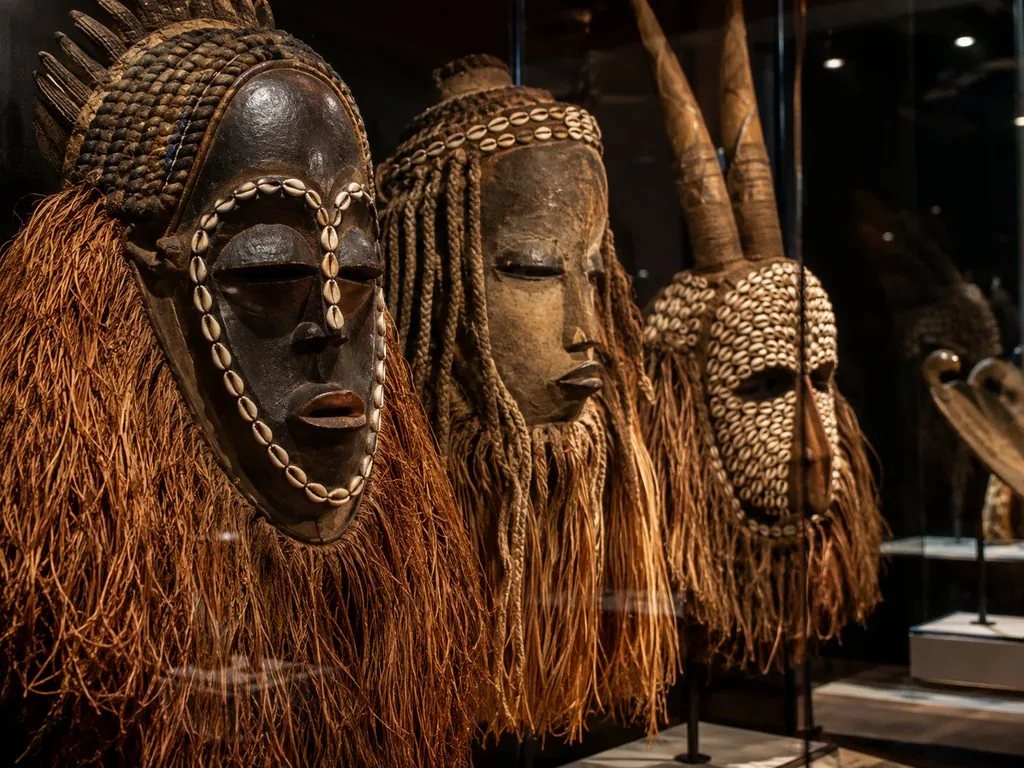
- Africa — Benin bronze plaques, Dan masks from Côte d’Ivoire, Kuba royal textiles, Ethiopian processional crosses and southern-African beadwork.
- The Americas — Pre-Columbian gold and ceramics from Peru, Mexico and Colombia, Amazonian featherwork, Plains regalia, Inuit ivory and Nazca textiles.
- The mezzanines — Temporary exhibitions above the plateau; in 2026 that means Kwame Akoto, birds of paradise and the Mbari Club.
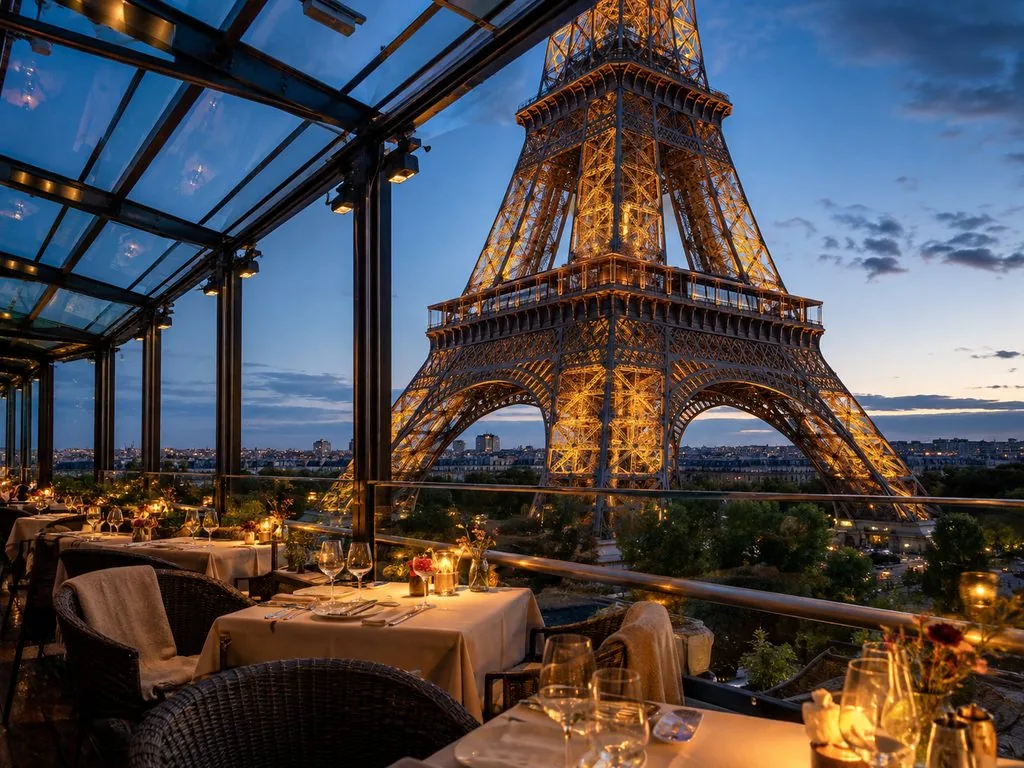
- Café Jacques or Les Ombres — A pause on the garden terrace, or the rooftop restaurant with its Eiffel Tower view if you booked ahead.
Independent visitors need two to three hours for the plateau and more with an exhibition. The order of the regions and the named pieces are on the what-to-see page; the garden and the green wall have their own page.
How booking works
Check the free-entry rules
Under 18, EU resident under 26, or a first Sunday? You do not need a ticket at all.
Pick a day that is not Monday
The museum is closed. Thursday evening is the quietest slot of the week.
Book the timed ticket
Live availability from GetYourGuide, free cancellation up to 24 hours before, reserve now and pay later.
Show your phone at the entrance
Use the “access with ticket” lane, pass the bag check, and go up the ramp.
Today’s availability for the admission ticket
The plain skip-the-line ticket, rated 4.6 from 292 reviews. It covers the permanent collection and the exhibitions for one day, and it cancels free up to 24 hours before.
Which quai Branly ticket is right for you?
Three ways in, for three kinds of visit. Most people want the middle column; the others suit a longer Paris stay or a day built around the river.
| Paris: Quai Branly Museum Ticket & Seine Cruise | Most readersMusée du quai Branly – Jacques Chirac: Admission Ticket | Paris Museum Pass: 2, 4, or 6 Days | |
|---|---|---|---|
| What’s included | Museum entry plus a 1-hour Seine cruise ticket with audioguide, valid one month | Permanent collection and temporary exhibitions, one day | 60+ museums and monuments over 2, 4 or 6 consecutive days; quai Branly permanent collections included |
| Skip the line | Museum yes; the boat has its own queue, which reviewers call long | Yes, via the “access with ticket” entrance | Museum yes; the Louvre still needs a separate free timeslot |
| Duration | Museum at your pace plus a 1-hour cruise, on the same day or later | Valid 1 day; allow 2–3 hours | 2, 4 or 6 consecutive days |
| Cancellation | See the listing before you book | Free up to 24 hours before | See the listing before you book |
| Best for | A day built around the Eiffel Tower and the river | Non-EU adults on a schedule who want a timed slot | Anyone doing three or more paid museums in Paris |
| View → | Book this → | View → |
Photo Gallery
The museum, from the garden to the plateau
What the building and the collections look like once you are past the ramp.
Quai Branly tickets and combos on GetYourGuide
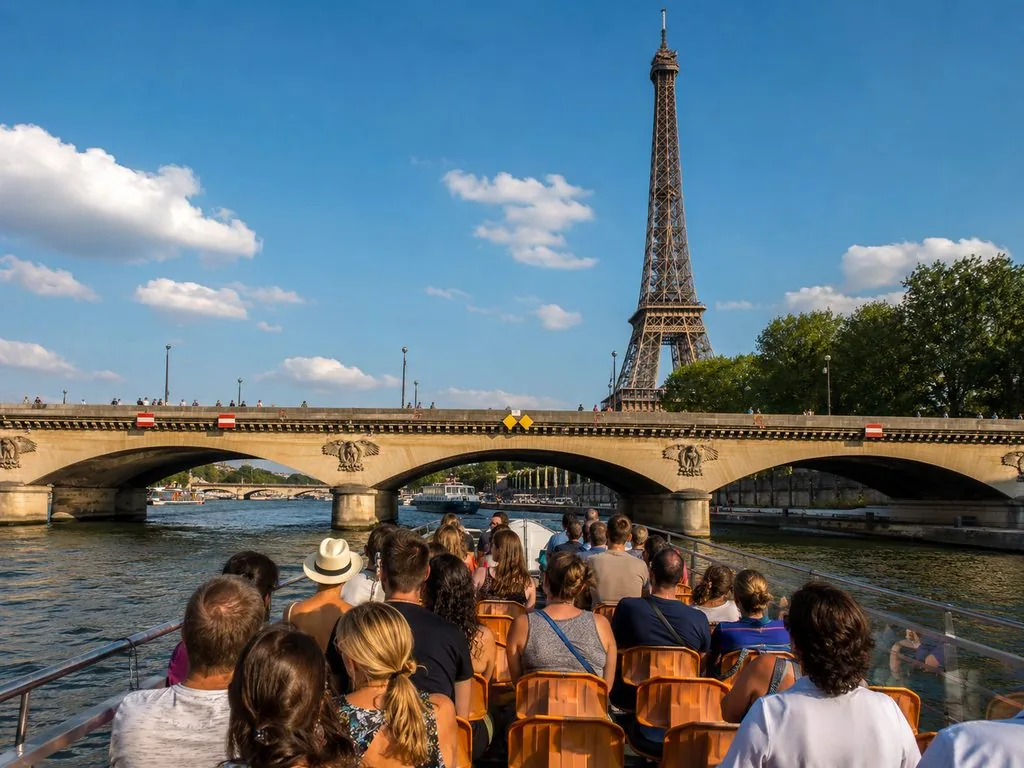
Four listings cover the museum. There is also a separate fast-access Seine cruise that leaves from Port de Suffren, five minutes’ walk away, if you would rather pair the museum with a boat than buy a bundle.
 Skip the line
Musée du quai Branly – Jacques Chirac: Admission Ticket
 Museum + Seine
Paris: Quai Branly Museum Ticket & Seine Cruise
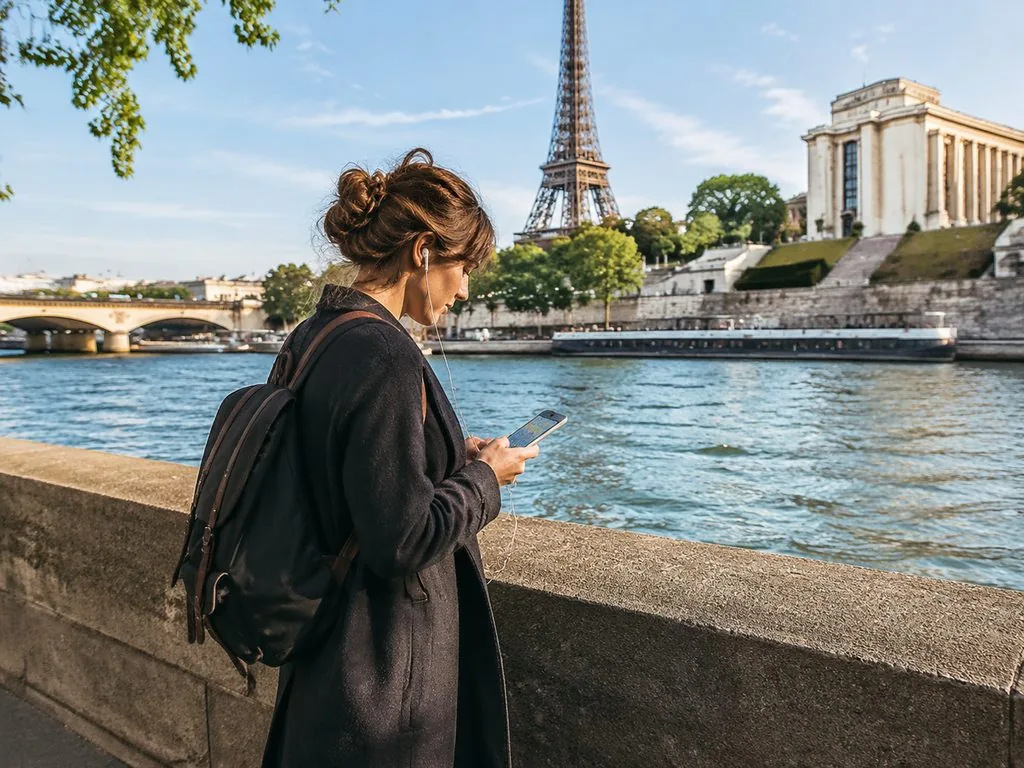 Self-guided
Paris: Musée du quai Branly Ticket & Digital Tour
 60+ museums
Paris Museum Pass: 2, 4, or 6 Days
What visitors say
Snippets from GetYourGuide reviews of the tickets on this page. First names only, as GetYourGuide prints them.
Superb museum. There was a bonus martial-arts exhibition when we went. Allow about 3 hours minimum.
Magnificent, unusual and varied pieces. You can spend the afternoon there.
What a beautiful museum. Amazing displays, well curated.
It would take 2 days for an art lover to see it all.
Beautiful collection, very well presented, and three good temporary exhibitions.
Very enriching about peoples and cultures.
Ratings and reviews are the operators’ live GetYourGuide figures. Read our full tour reviews ›
Quick answers before you book
The four things I get asked most often, in the order people usually need them.
Do I need a ticket at all?
Not if you are under 18, an EU resident aged 18–25 with ID, or visiting on the first Sunday of the month. Everyone else needs one; the ticket decision page walks through it.
Ticket, cruise combo or Museum Pass?
The plain admission ticket for one visit. The cruise combo if your day is built around the river anyway, with the caveat that the boat queue is the weak point. The Museum Pass only if you are doing three or more paid museums. The combo page compares them.
When is it quietest?
Tuesday and Wednesday mornings at 10:30, and Thursday evenings after 19:00. Weekend afternoons, first Sundays and school holidays are the busiest. See opening hours.
What should I leave at the hotel?
Any suitcase or bulky bag. There is a security check at the door and no left-luggage for large items, so only a small backpack gets in. Photography without flash is fine in the permanent collection.
Can’t make these dates?
Browse more available musée du quai Branly tickets and find one that fits your schedule — all with instant confirmation and free cancellation.
The quai Branly, explained
The Musée du quai Branly – Jacques Chirac, opened in June 2006 in a Jean Nouvel building on the Left Bank about 300 m from the Eiffel Tower, holds some 370,000 objects from Africa, Asia, Oceania and the Americas, shows roughly 3,500 of them on a single gallery level called the plateau des collections, opens Tuesday to Sunday from 10:30 to 19:00 and until 22:00 on Thursdays, closes on Mondays, and admits under-18s, EU residents aged 18–25 and first-Sunday visitors without a ticket.
I ran school visits on the plateau for six years, and the question I still get most from friends passing through Paris is the simplest one: what is it, exactly? Here is the answer I give them, with the practical part at the end.
What it is, and what it is not
In its own words it is a museum of the arts and civilisations of four continents. It is not a museum of “primitive art”, a phrase the institution avoided even when it was being planned; President Chirac announced it in 1996 as a museum of civilisations and arts premiers, the public institution was created on 14 July 1998, and the doors opened in 2006. The collections came mostly from two older houses, the ethnography holdings of the Musée de l’Homme and the Musée national des Arts d’Afrique et d’Océanie, which had itself started life as the 1931 Musée des Colonies. That lineage is why the objects range from the Neolithic to the 20th century and why the museum is part of France’s ongoing restitution discussions. If the back story interests you, the history page follows it from 1931 to the renaming of the quay in 2021.
How the building works
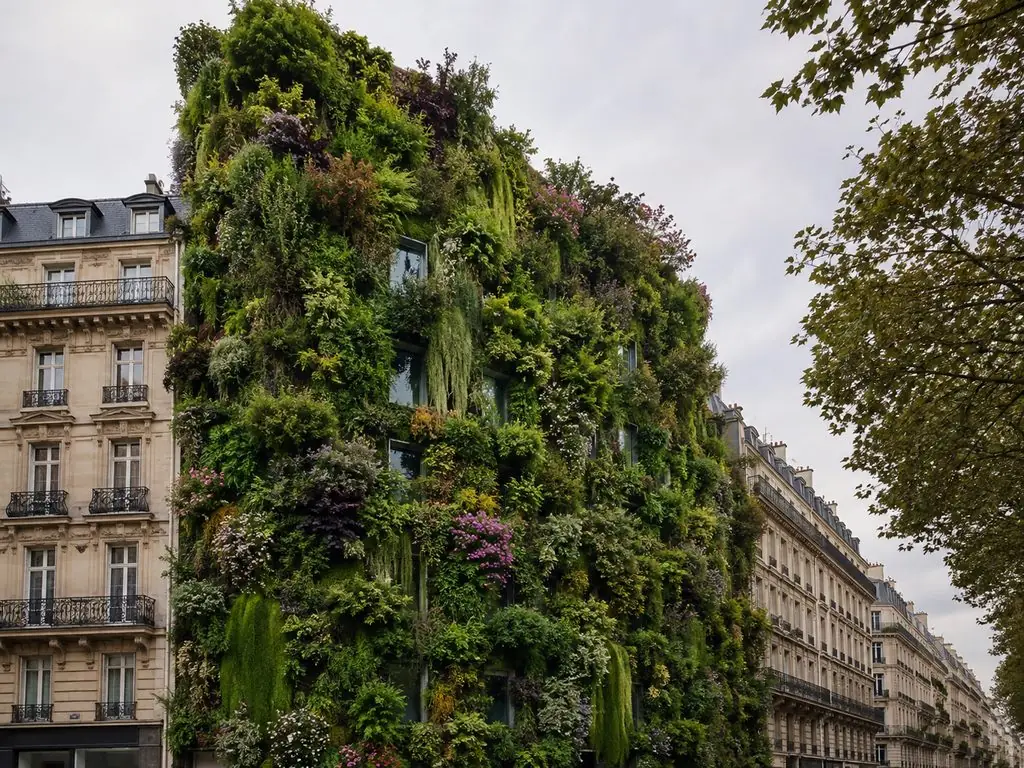
Nouvel put the museum on stilts above an 18,000 m² garden by Gilles Clément, so you approach through grasses and reeds rather than across a forecourt, with Patrick Blanc’s 800 m² green wall on the street side. Inside, a long curved ramp climbs to the plateau. A “river” of projected words runs along its floor; children like it, some adults find it a slow way to reach the art, and I have stopped defending it either way. At the top there is one gallery with no walls. It flows Oceania, then Asia, then Africa, then the Americas, and the coloured boxes you see projecting from the north facade are alcoves inside that gallery. The temporary exhibitions sit on mezzanines above the plateau and in a gallery at garden level.
How to pace it
The museum quotes 45 minutes to an hour for a group visit and up to an hour and a half with a guide-lecturer. Those are slot lengths. On your own, count on two to three hours for the plateau and more if you add an exhibition; Jean Paul, one of the GetYourGuide reviewers, wrote “allow about 3 hours minimum”, and Jean-Louis thought an art lover would want two days. My advice is to pick one continent to walk slowly and let the others go by at reading pace. Oceania is mine, for the Papuan poles and the Rapa Nui figures, but the Benin plaques in Africa and the Nazca textiles in the Americas draw the longest pauses on school visits. The how-long page has a 90-minute plan, a half-day and a full day. When you flag, Café Jacques has a terrace in the garden, and the ticket is valid all day, so you can go out and come back.
When to go
Not Monday, when it is closed, and not the first Sunday of the month unless you are there for the free entry and can live with the crowd. Tuesday and Wednesday at 10:30 are quiet. Thursday after 19:00 is quieter still, and the late opening runs until 22:00, which makes it the one Paris museum evening I recommend without hedging. Weekend afternoons and school holidays are the busiest. The garden opens at 9:15, before the building, and it is free to walk through. Full tables, including the 2026 evenings, are on the opening-hours page.
Who needs a ticket
Fewer people than you would think. Under-18s get in free, EU residents aged 18 to 25 get in free with ID, disabled visitors and a companion get in free, and everyone gets in free on the first Sunday. A temporary exhibition may still need a free timed reservation, so check the listing on quaibranly.fr. If you are a non-EU adult with a fixed afternoon and you want a slot rather than a queue, the skip-the-line admission ticket is the sensible buy: it covers the permanent collection and the exhibitions for one day, it works from your phone at the “access with ticket” entrance, and it cancels free up to 24 hours before. The ticket page goes through the combos and the Museum Pass as well. Two things trip people up at the door: bags, because suitcases and bulky objects are refused with no left-luggage, and the voucher, which one reviewer, Fran, could not get accepted at first and lost an hour over. Have it open on your phone before you reach security.
One honest criticism
The lighting is dim, by design, to protect textiles and feathers, and the plateau is arranged by theme within each region rather than as a timeline. Together they can leave a first-time visitor unsure where they are or what they have already seen. Take the free map at the desk, follow the regions in order, and treat the alcoves as chapters. Do that and the building stops being confusing and starts being the reason the museum is worth the walk from the tower; the worth-it page is where I make that case in full.
Frequently asked questions
What is the theme of the Musée du quai Branly?
The arts and civilisations of Africa, Asia, Oceania and the Americas. The collection holds some 370,000 objects, with roughly 3,500 on display at any time, from the Neolithic to the 20th century. Most came from the old Musée de l’Homme and the Musée national des Arts d’Afrique et d’Océanie; the history page traces that route.
How long does it take to visit the quai Branly?
Two to three hours for the plateau des collections if you visit independently, more if you add an exhibition. The 45-minute figure you may have seen is the museum’s length for a guided group slot, not a visit. Reviewers say three hours minimum, and one art lover reckoned two days. There are sample plans on the how-long page.
What can you see and do at the Musée du quai Branly?
One open gallery level running Oceania, Asia, Africa and the Americas: Papuan ancestor poles, Noh masks, Benin bronze plaques, pre-Columbian gold and Amazonian featherwork among them. Above it, the mezzanine exhibitions; below, the garden and the green wall; on the roof, Les Ombres. The what-to-see page lists the named pieces region by region.
What is the next exhibition at the quai Branly?
In 2026 the museum is showing Kwame Akoto’s “Almighty God Art Works” (31 March to 6 September), “Plumes du paradis” on the birds of paradise of New Guinea (12 May to 8 November) and “Le Mbari Club” (2 July to 11 October). The admission ticket includes them, though some need a free timed reservation. Dates change, so confirm on quaibranly.fr and see the 2026 exhibitions page.
What does “quai Branly” mean?
It is the name of the riverside street the museum stands on, itself named after Édouard Branly (1844–1940), the physicist who invented the coherer, an early radio-wave detector, in 1890. The quay was renamed Quai Jacques-Chirac in 2021, but the museum kept “quai Branly” in its name and added “Jacques Chirac” in 2016. More on the history page.
Do you have to book the quai Branly in advance?
No. It does not have the Louvre’s queue culture, and under-18s, EU residents aged 18–25 and first-Sunday visitors get in free without a ticket. A timed skip-the-line ticket makes sense for non-EU adults on a tight schedule, and it cancels free up to 24 hours before. Which ticket do I need? has the full decision; live dates are in the availability box.
Is there somewhere to eat at the museum?
Two places. Café Jacques on the ground floor has a terrace in the garden and serves light meals and pastries through the day. Les Ombres is the rooftop restaurant with a direct Eiffel Tower view; book ahead, and note that no ticket includes it. Rue Cler, a short walk away, is the market-street alternative. Details on the café and restaurant page.
What days is the Musée du quai Branly open?
Tuesday to Sunday, 10:30 to 19:00, with a late opening on Thursdays until 22:00. It is closed on Mondays, 1 May and 25 December, and last admission is 45 minutes before closing. The garden opens earlier, from 9:15. The opening-hours page has the day-by-day table and the 2026 special evenings.
Still have questions? Email us [email protected]